On this page
- Slight to moderate warmth on the sides and front frame is normal. 1
- A heat loop near the gaskets keeps moisture off the exterior and can feel hot for up to 24 hours. 1
- Start-up, warm groceries and heavy use make it worse for a while. 1
- A dirty condenser raises the temperature of the condenser and heat loop. 1
- On some models, Energy Saver controls the moisture heater. 2
Why does the outside of my JennAir refrigerator feel warm?#
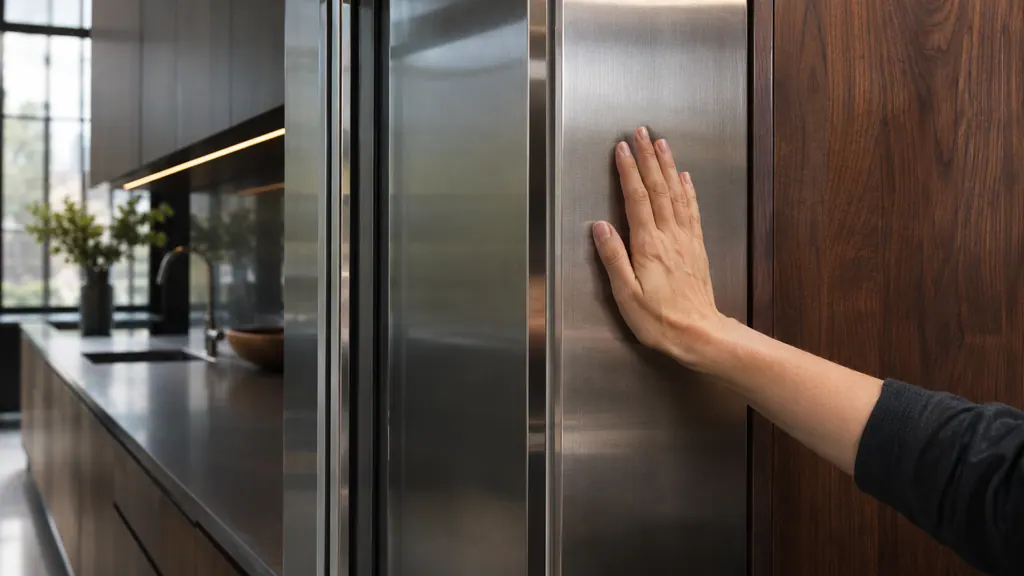
Because a refrigerator does not make cold, it moves heat. It takes heat out of the fresh food and freezer compartments and releases it to the room, and some of it leaves through the cabinet walls and front frame. A warm side is a sign the system is working. 1
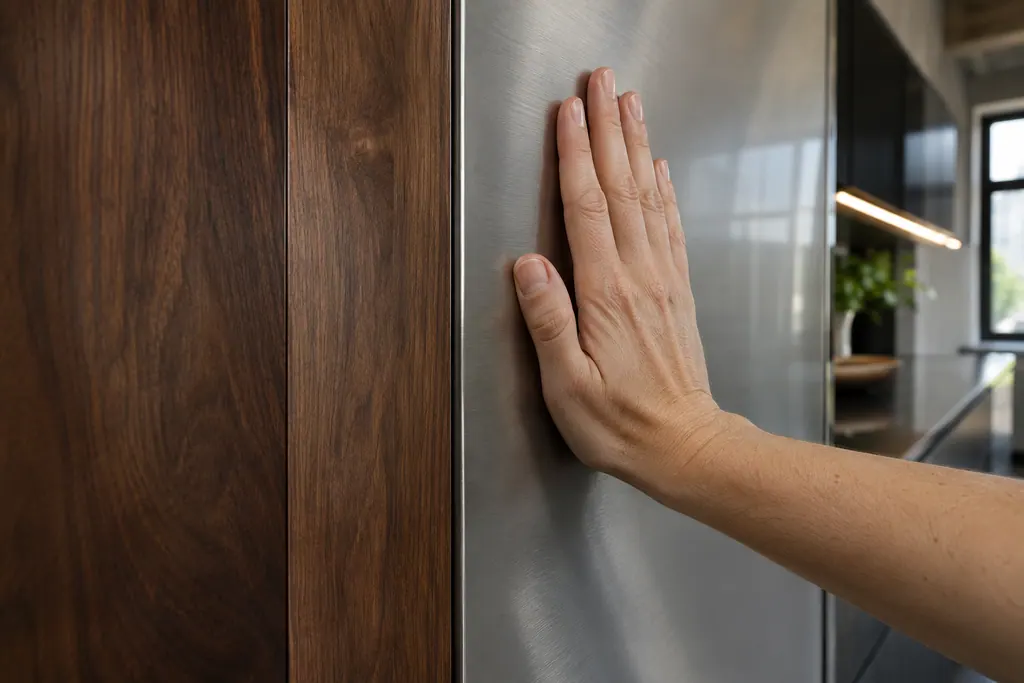
JennAir explains that on many models condenser loops are built into the cabinet walls and front frame to help the heat escape. A slight to moderately warm feel along the sides or around the door openings often means the unit is operating as designed. 1
On a JennAir built-in or column refrigerator, the cabinet is installed flush with the cabinetry. The surfaces you touch are part of the heat path, so the warmth is more noticeable than on a freestanding unit that has air all around it.
What makes the cabinet warmer for a while?#
Three everyday causes show up on JennAir's help page: a refrigerator just started from room temperature, fresh food or food near room temperature going in, and heavy use at certain times of day. After any of these, the compressor works longer, and the cabinet feels warmer until temperatures settle. 1
A hot kitchen or a seasonal temperature spike does the same thing. When the room is warm, the compressor runs longer to hold the set temperatures, and more heat moves through the cabinet structure. 1 The warmth can be strongest near the front frame, the mullion between doors or the area close to the condenser path. 1
That means a few simple habits keep it moderate.
- Load warm groceries in stages and let the unit catch up.
- Keep door openings short, especially in summer.
- Give a new install a full day or two before you judge it.
What is the heat loop near the gaskets?#
It is a heater built into the walls close to the gasket areas, including the mullion and the cabinet flanges. JennAir says it is necessary to keep moisture and frost from forming on the exterior, and that the surface may feel even warmer than usual for as long as a day. 1
Some models give you a switch for part of this. The Energy Saver or Humidity Control feature controls a heater that reduces moisture on the vertical hinged seal. Turn it on in a cool, dry room to save energy, and off in warm, humid weather or if you see moisture on the seal. Models without a switch have an automatic heater. 2
JennAir adds that moisture on gaskets, the mullion or cabinet seams is the sign to turn Energy Saver off, and that it can take several hours to clear. 2 If you see beads of water there, that is condensation, which is a different question from heat.
How do I check the condenser and the airflow?#
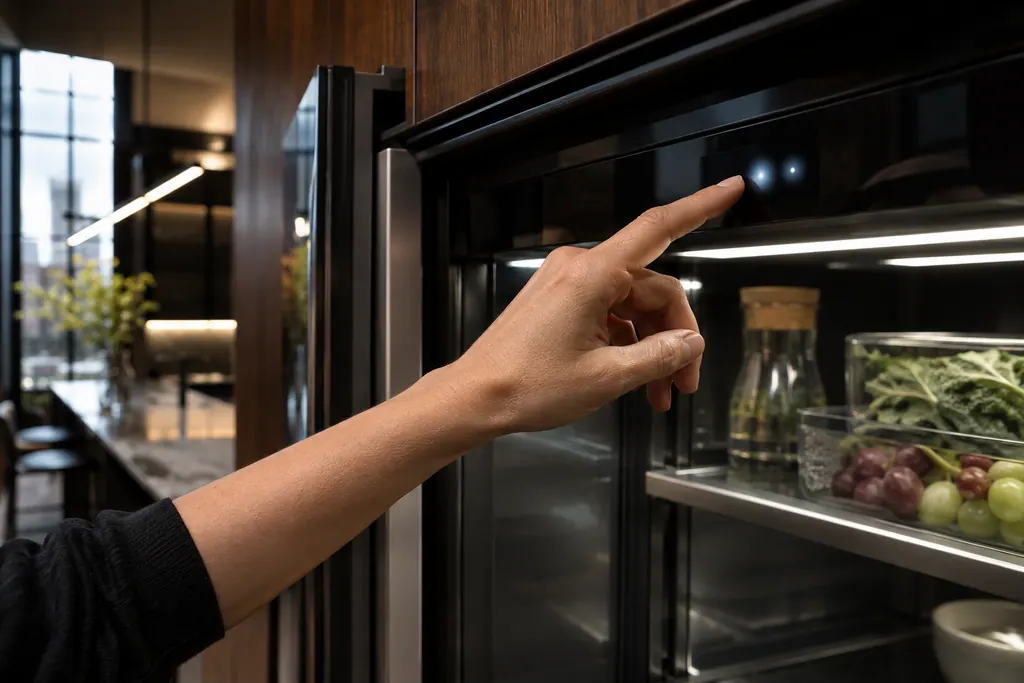
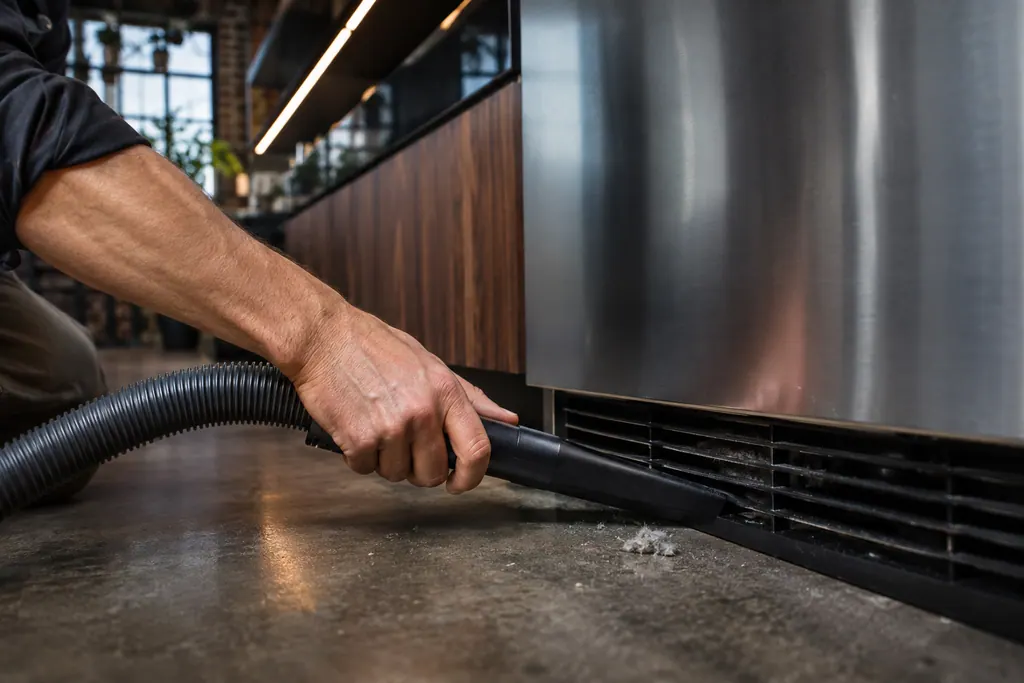
If the exterior feels hot all the time rather than warm, check the condenser for excess dirt and debris and clean it if needed. Airflow blocked by lint, pet hair and dirt raises the temperature of the condenser and of the heat loop. 1
The cleaning steps depend on the model, so JennAir sends you to the Installation Instructions or Owner's Manual for them. 1 Turn the refrigerator off at the breaker or unplug it before you remove any grille, and put the grille back before you restart it.
- 1
- 2
- 3
- 4
How do I tell warm outside from a problem inside?#
Check the temperatures. A warm cabinet with a cold interior is normal. A warm cabinet with a warm interior is a cooling problem, and JennAir lists a few things to check first: that the unit is plugged into a grounded outlet, that no breaker or GFCI has tripped and that the controls are set for your room. 4
On a built-in refrigerator, an Over Temperature alarm tells you the refrigerator rose above 48°F (9°C), or the freezer rose above 15°F (-9°C), for more than 1½ hours. The audio alarm stops by itself when temperatures return to normal, but the indicator light keeps flashing to show it happened, as after a power outage. 3
If you need to change the temperature setting, wait at least 24 hours between changes and then recheck. 4 Making several changes in one day makes the cause harder to see.
Does it matter if the refrigerator is level?#
Yes, for proper operation. JennAir says a properly leveled refrigerator helps the whole system work as it should. If the floor is not level, shims may be needed, and your Owner's Manual or Installation Instructions explain the leveling for your model. 5
The same help page covers the heater in the vertical hinged seal and says moisture may need up to a day to clear after you turn the Energy Saver feature off. 5 A unit that sits crooked can leave gaps at the seal, which adds moisture on top of heat. Level it before you chase other causes.
Which signs call for a repair visit?#
Book a visit when the heat stays after cleaning and waiting, or when the inside is warm too. A refrigerator that runs constantly, an alarm that returns, or warmth along with food that is not cold all point beyond the normal heat path. 13
What we repair is on our refrigerator service page, and the freezer not freezing page helps when the warmth is inside. If you are changing the filter at the same time, the water filter guide covers the signs and timing.
Sources#
- Why Does the Outside of the Cabinet Feel Warm - Product Help | JennAirJennAir Product Help (producthelp.jennair.com) · dateModified 2026-09-03; PH 439 · PH 439
- How to Use the Humidity Control or Energy Saver Feature - Product Help | JennAirJennAir Product Help (producthelp.jennair.com) · dateModified 2026-09-03; PH 437 · PH 437
- Over Temperature Light - Error Message - Built-In Refrigerator - Product Help | JennAirJennAir Product Help (producthelp.jennair.com) · dateModified 2021-04-27; PH 9902 · PH 9902
- Both Compartments are Not Cooling - Built-In Refrigerator - Product Help | JennAirJennAir Product Help (producthelp.jennair.com) · dateModified 2025-05-22; PH 9923 · PH 9923
- Condensation on the Mullion or Center Rail - Refrigerator - Product Help | JennAirJennAir Product Help (producthelp.jennair.com) · dateModified 2025-06-02; PH 10092 · PH 10092