Start from the symptom
JennAir oven temperature problems.
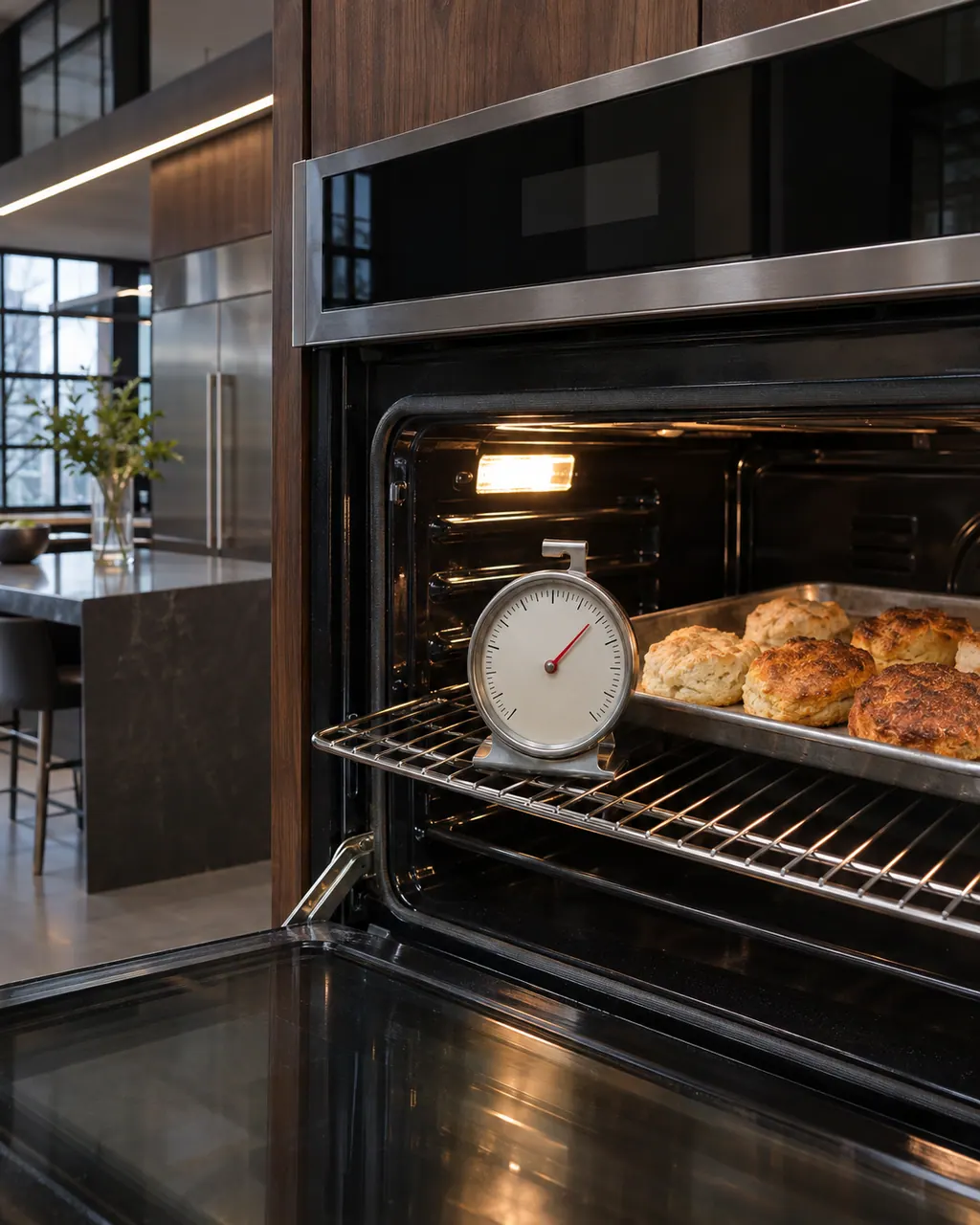
JennAir says not to judge oven temperature with a thermometer, because the elements cycle and most thermometers react too slowly. Check preheat time, racks, pan spacing and foil first, then run the biscuit test before any calibration.
Start with safe observations.
Turn the appliance off and unplug it before any check you can do yourself. Look out for pooled water and sharp edges. Never touch a wet plug or live area, take off service panels, or go past your model’s owner instructions.
- 1
Skip the thermometer
The elements switch on and off to hold the set temperature, so a reading taken at one moment can run a little high or low. JennAir lists this as the reason not to measure with a thermometer.
- 2
Account for a long preheat
Spare racks left inside, a large cavity, a hidden bake element, cold room air and a 208 V supply all lengthen preheat. Once the set temperature is reached, a 208 V supply does not change performance.
- 3
Check pans and airflow
Leave 2 inches between pans and the oven walls, keep pans from touching each other, and never line the oven floor or a whole rack with foil. JennAir says foil blocks airflow.
- 4
Run the biscuit test
Bake a can of refrigerated biscuits on a low-sided shiny sheet in the middle of the oven. If they are not done and evenly brown within the time on the package, calibration may help.
- 5
Calibrate in small steps
Models with a settings or tools key, or a held Temp/Time arrow, allow an adjustment. Change it no more than 10 degrees at a time and repeat the test. The owner's manual gives the exact keys for your model.
Systems a technician may investigate.
We name no part before the visit. After the diagnostic the technician tells you which part, if any, has failed, and matches it to your model and serial number before anything is replaced.
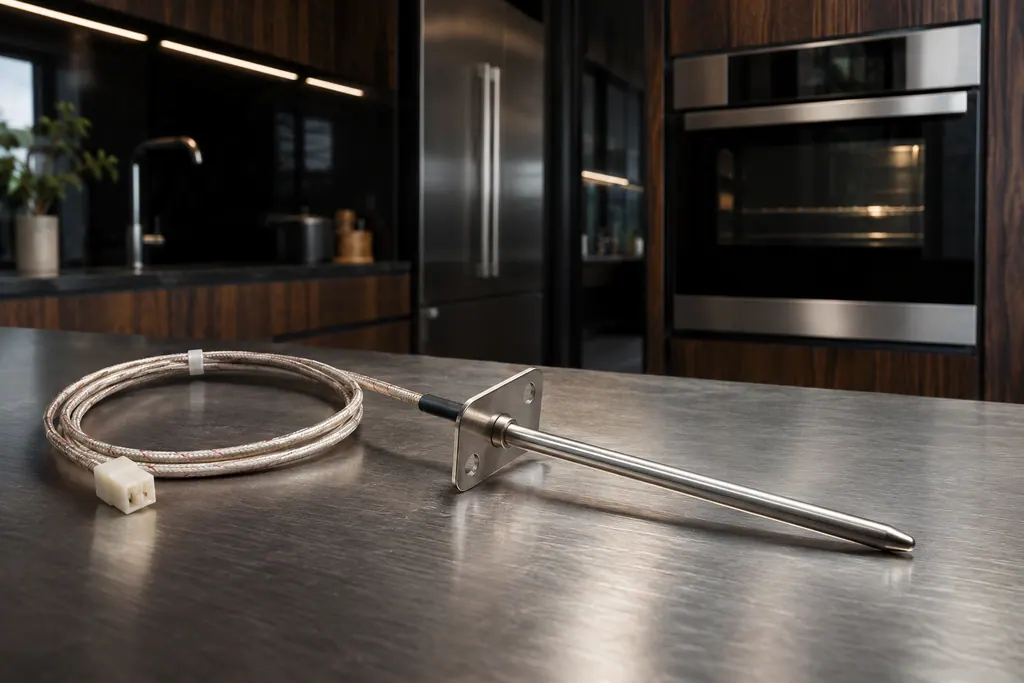
Oven temperature sensor
JennAir Product Help ties F1, F2 and several F3 codes to the oven temperature sensor, the control or the wiring between them. The sensor reports cavity heat to the control. The help pages pair it with the control, so one reset is the only owner step.
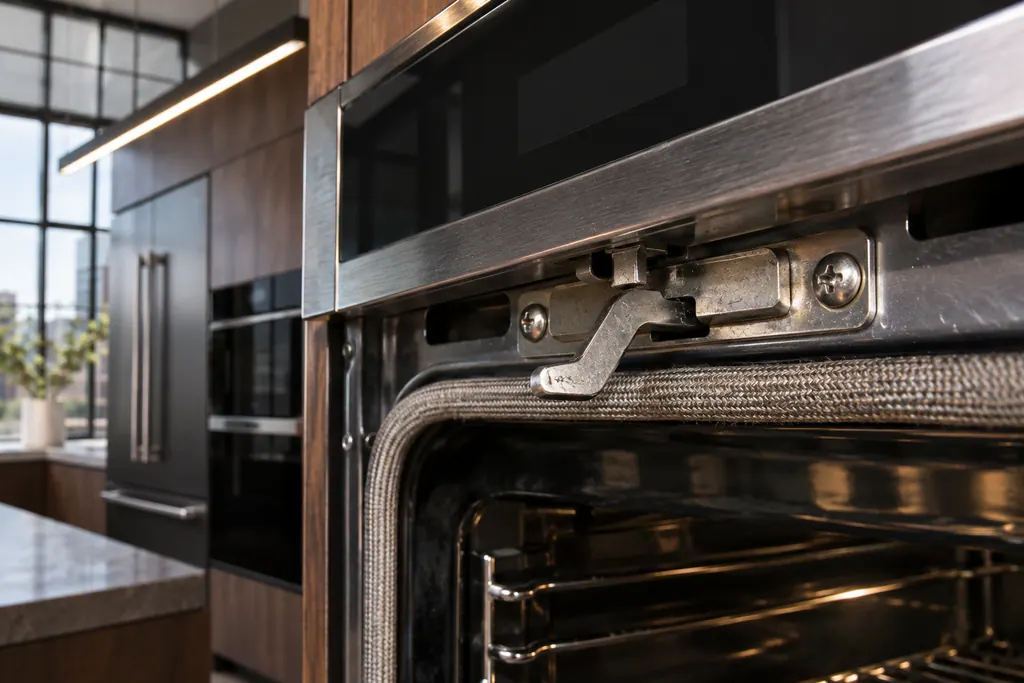
Oven door latch assembly
The latch assembly and its door switch lock the oven door for self-clean and report that the door is closed. JennAir lists them for F5 codes and F7 E0, and for the locked-door and door-will-not-close pages. A bent latch arm is one check you can do yourself.
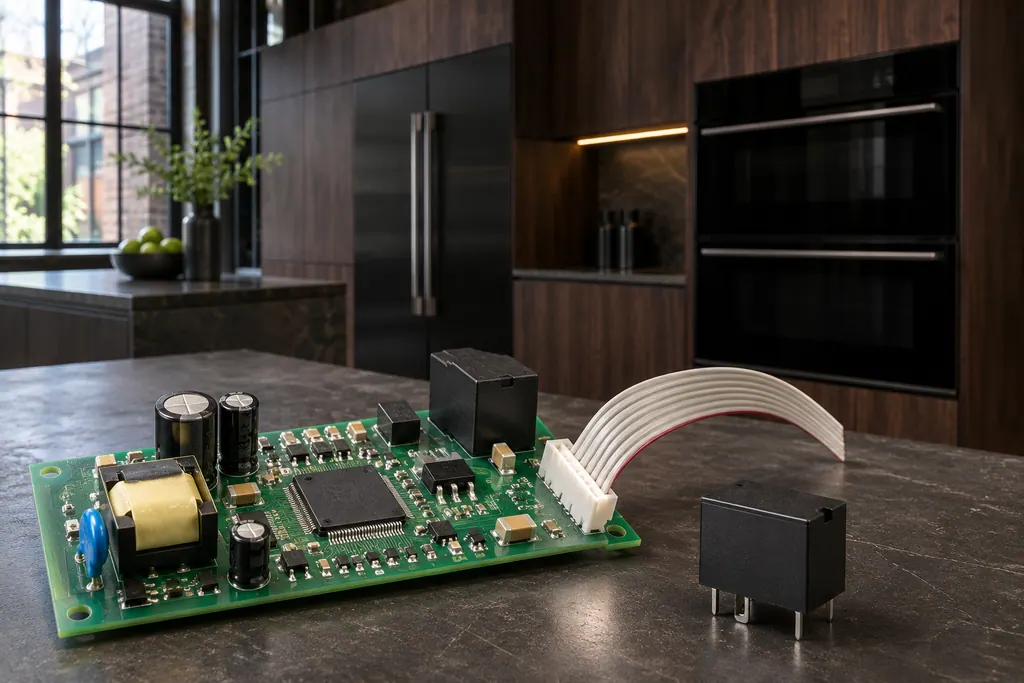
Oven electronic control
The electronic control is the board that manages the oven functions. JennAir names it in F1 E1, F3 and F4 codes, and as the shared suspect in many sensor and keypad codes. The help pages give one owner step, a one-minute power-down, and do not name a repair.
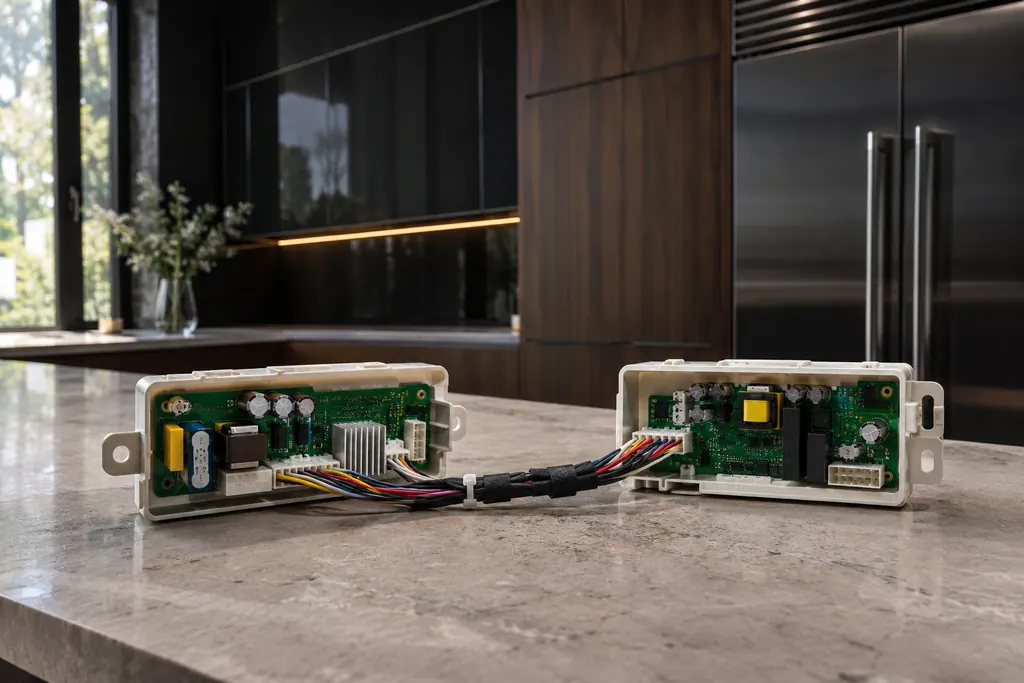
Appliance manager control
JennAir ranges and wall ovens with several cavities use an appliance manager that coordinates the oven controls. The F6 family names it, sometimes with the converter control or the user interface. The pages admit there are many possible reasons, then give one reset.
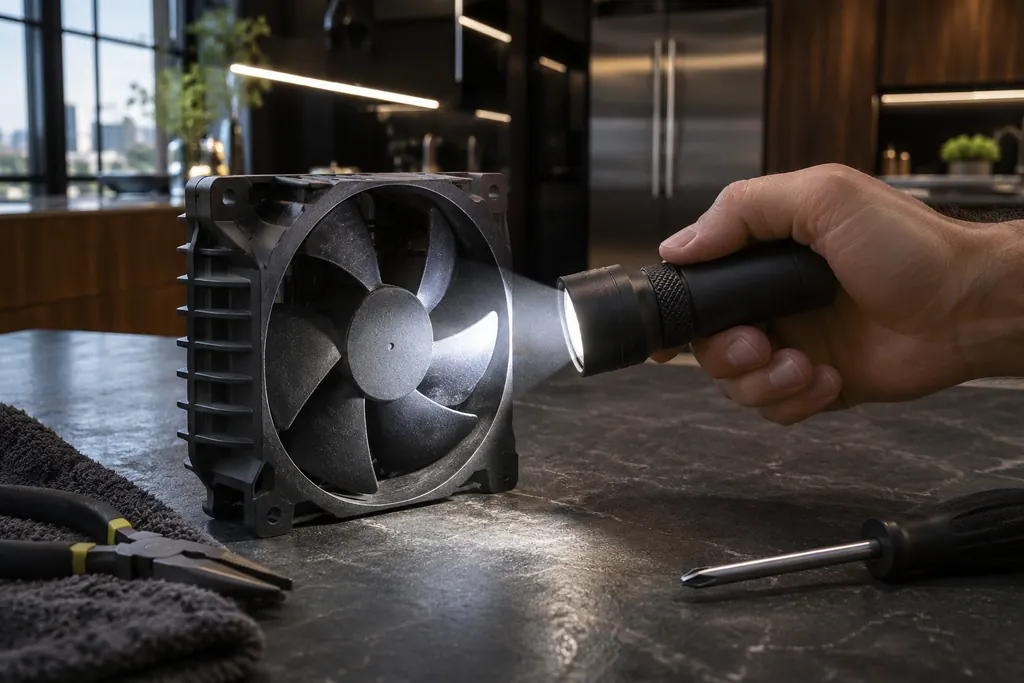
Oven cooling fan
JennAir ovens run a cooling fan during and after use, and the pages say that humming is normal. An F8 E0 code is different: it says the fan speed is too low and points to an airflow restriction, the fan or its wiring. Check for blocked airflow, reset, then book.
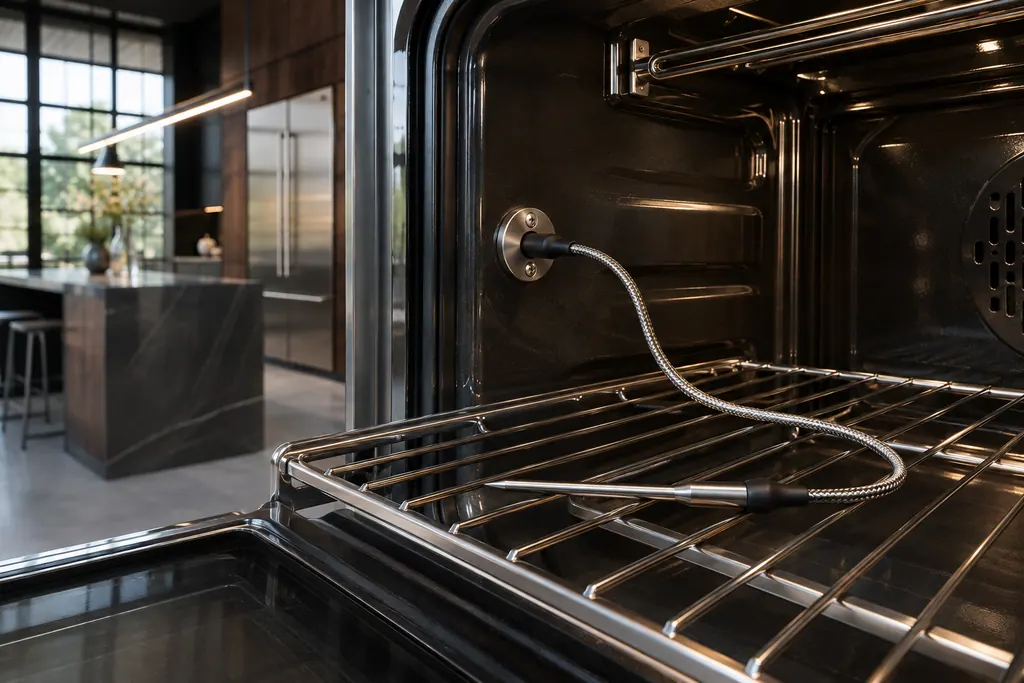
Meat probe receptacle
Several JennAir F3 and F8 codes come from the meat probe. The pages ask you to confirm the probe is seated in its receptacle, and on some wall ovens to check a power attachment on the roll-out rack. These are quick owner checks before any reset.
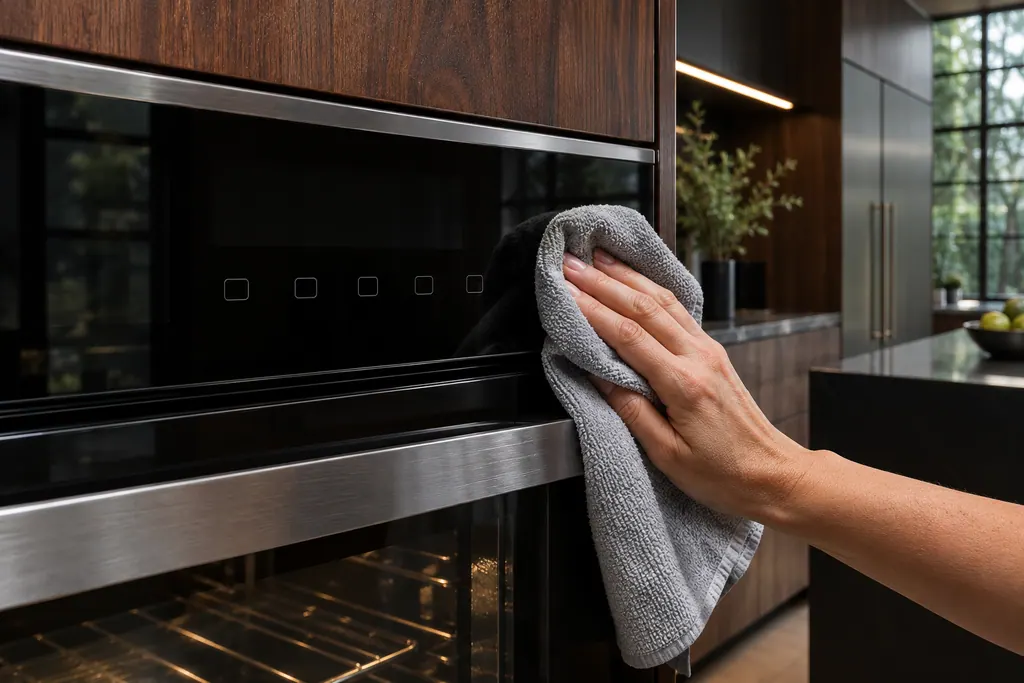
Oven keypad and user interface
The user interface is the keypad or touch panel you press. JennAir lists it in the F2 family (F2 E0 to F2 E6), where F2 E1 often means a key is stuck or held too long. The help pages suggest checking cooktop grates on some ranges, then a one-minute reset.
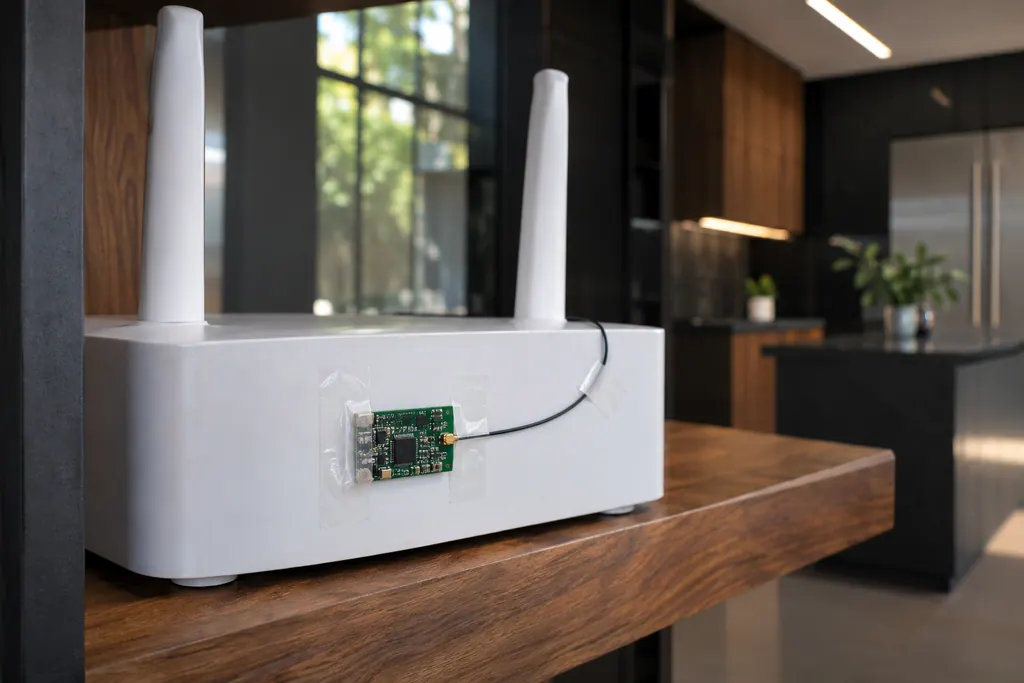
Oven Wi-Fi module
The Wi-Fi module links a connected JennAir oven to your router. FC E1 to FC E3 mean the appliance could not connect; FC E4 and FC E5 name the antenna; FC E6 and FC E9 name the power module. A router restart is the first owner step; the oven itself still bakes.
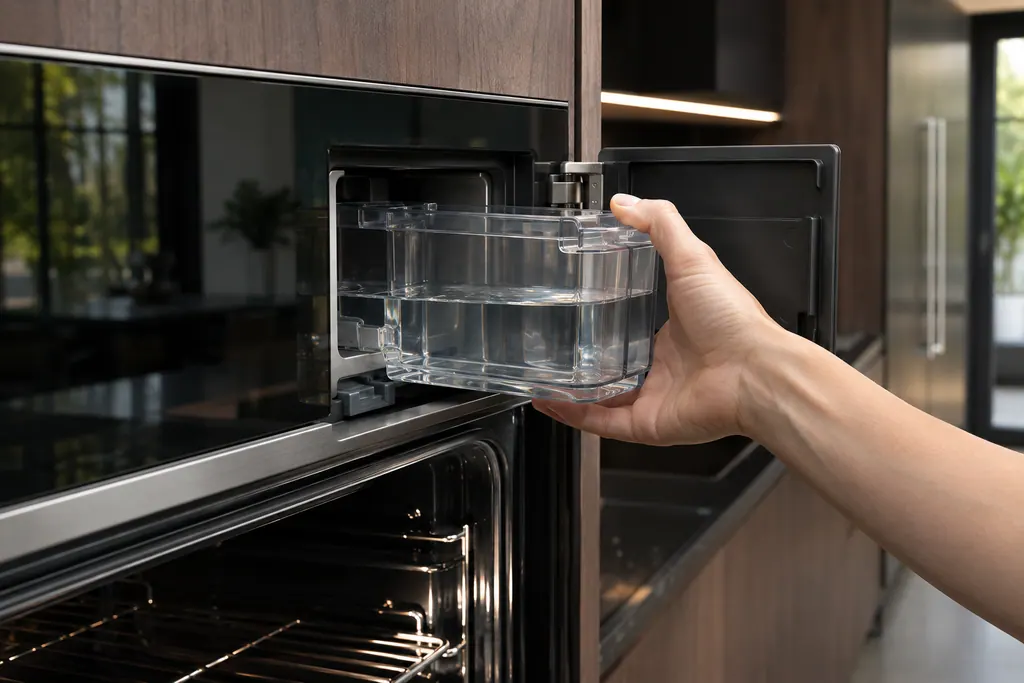
Steam oven water system
Wall ovens with steam keep water in a removable container and a boiler. JennAir names the water level sensor, the boiler temperature sensor, the water filter and the conductivity sensor in F7 E0 to F7 E4. The routine messages (descale, refill, empty) are owner tasks.
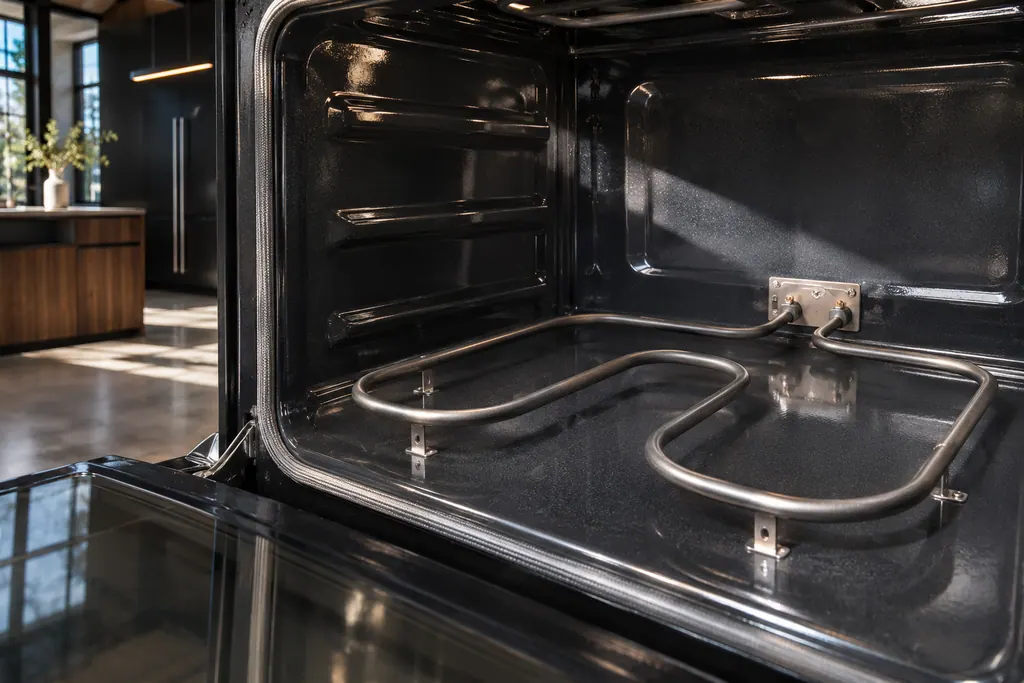
Bake and broil elements
On JennAir ranges, FEE6 names the main cavity bake element and FEE7 the main cavity broil element, each with its wiring. The pages offer one owner step: a one-minute breaker reset. An element that stays cold afterwards needs a technician with the power off.
Read the related care guide.
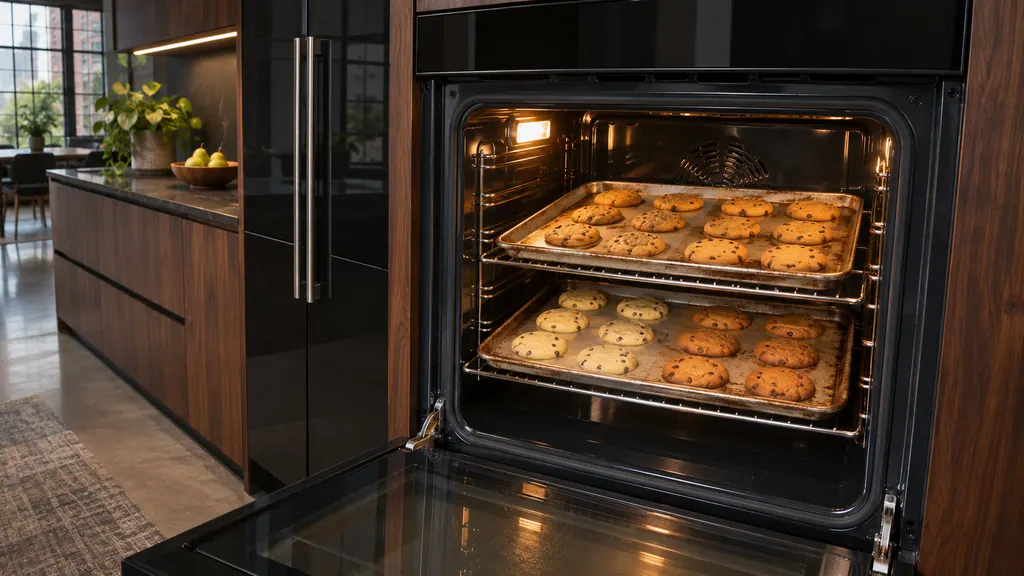
Oven browning one side? Check the pans first.
Uneven baking in a JennAir oven usually comes from pans, preheating or rack position before it points to the oven. Dark pans brown more, shiny pans brown less, and food loaded early gets too much top heat. Fix those, then check level and airflow. [1][2]
Gas oven clicking? Here is the normal sound.
Short clicks while a JennAir gas oven preheats are normal: the igniter sparks until it detects a flame, and on a range that can repeat every 1 to 3 minutes. Clicking with no flame, or a gas smell, is different. Check the valves and the door, and stop if you smell gas. [1][2]
When observation becomes a service request.
Leave internal testing to a technician.
The oven stays far off from the set temperature after the checks and a calibration, or the elements never cycle. Book a visit so a technician can test it.
Arrange a diagnosticSources and model boundaries.
The JennAir oven temperature problems guidance rests on these references. Pick the manual that fits your model.
- Oven Temperature Incorrect (Too Hot or Too Cold) - Product Help | JennAir
- How to Evaluate if Temperature Calibration is Needed - Product Help | JennAir
- How to Correct Uneven Baking or Browning - Product Help | JennAir
- Possible Causes for Poor Baking Results - Product Help | JennAir
- How to Tell if Convection Conversion Temperature is Correct - Product Help | JennAir
- Oven Colder/Warmer than Previous Range - Range - Product Help | JennAir
Go by the instructions for your own model. See how we research these pages.
Why is my new JennAir oven cooking differently from my old one?
Browning and timing often differ between a new and an old oven, and older ovens drift over the years. JennAir says the new oven reads accurate; compare with the biscuit test, then adjust if needed.
Can I use an oven thermometer to check it?
JennAir advises against it. The elements cycle to hold the temperature, so a slow thermometer can show a number that is a little high or low at that instant.
Why does convection show a lower temperature than I set?
Models with convection conversion change the displayed temperature and time on purpose. A 350 degree setting can show 325 after preheating, and JennAir calls that normal.
Does a 208 V supply make the oven bake worse?
It lengthens preheat. JennAir says performance is not affected once the oven reaches the set temperature.
Code or symptom, part, service call
Tie the message to what comes next.
CAL
CAL on a JennAir oven display is the calibration feature, not an error. JennAir's cooking appliance chart describes it as the function that lets you adjust the oven temperature. Read your owner's manual before changing anything, because a bad offset makes every bake run off.
JennAir oven temperature problems
JennAir says not to judge oven temperature with a thermometer, because the elements cycle and most thermometers react too slowly. Check preheat time, racks, pan spacing and foil first, then run the biscuit test before any calibration.
Oven repair
Schedule a diagnostic for your model, carried out at the appliance.
Find your metro
Office details, plus the access notes to pass along.