Diagnostics and repair
Seasoned technicians inspect the appliance before suggesting any work. OEM parts are available on order, matched to your model.
The care journal
Has something quit? Run the checks your manual permits, and learn the point where a technician takes over.
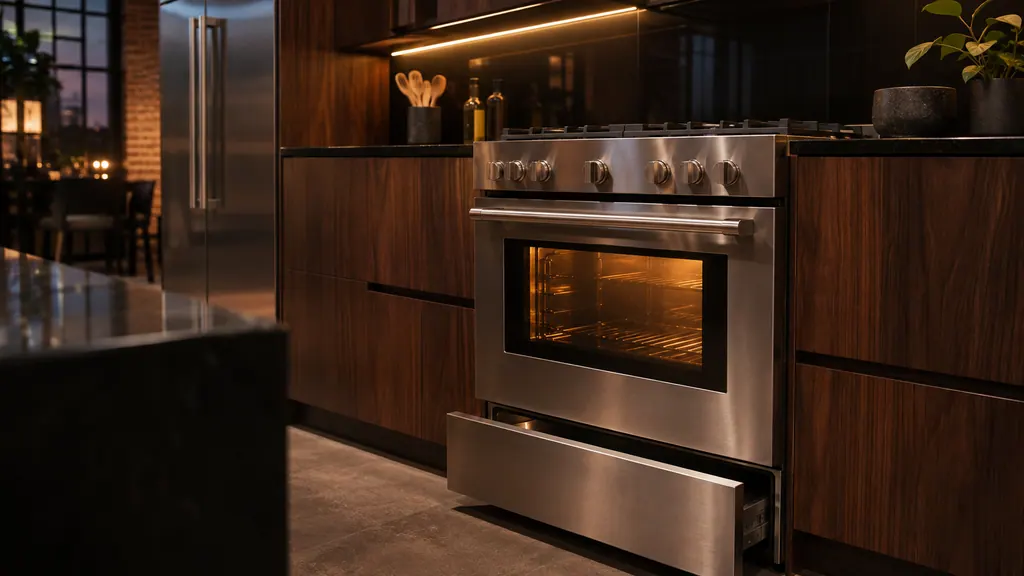
Short clicks while a JennAir gas oven preheats are normal: the igniter sparks until it detects a flame, and on a range that can repeat every 1 to 3 minutes. Clicking with no flame, or a gas smell, is different. Check the valves and the door, and stop if you smell gas. [1][2]
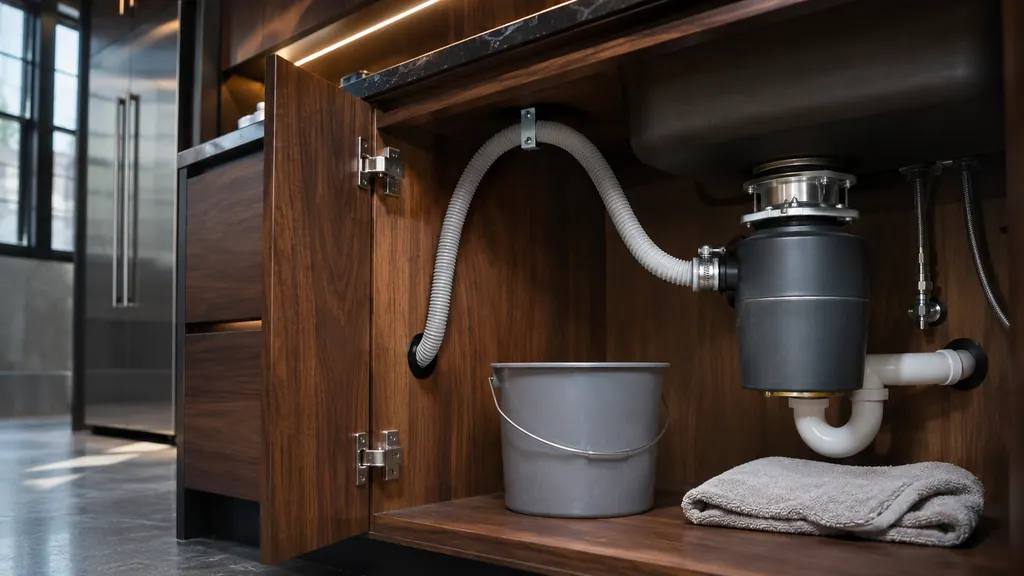
A newly installed JennAir dishwasher that will not drain usually has a setup problem: the disposer knockout plug is still in, the hose is kinked, or the drain loop or air gap is missing. Check those before you suspect the pump. Power the dishwasher off before you touch the hose. [1][2]
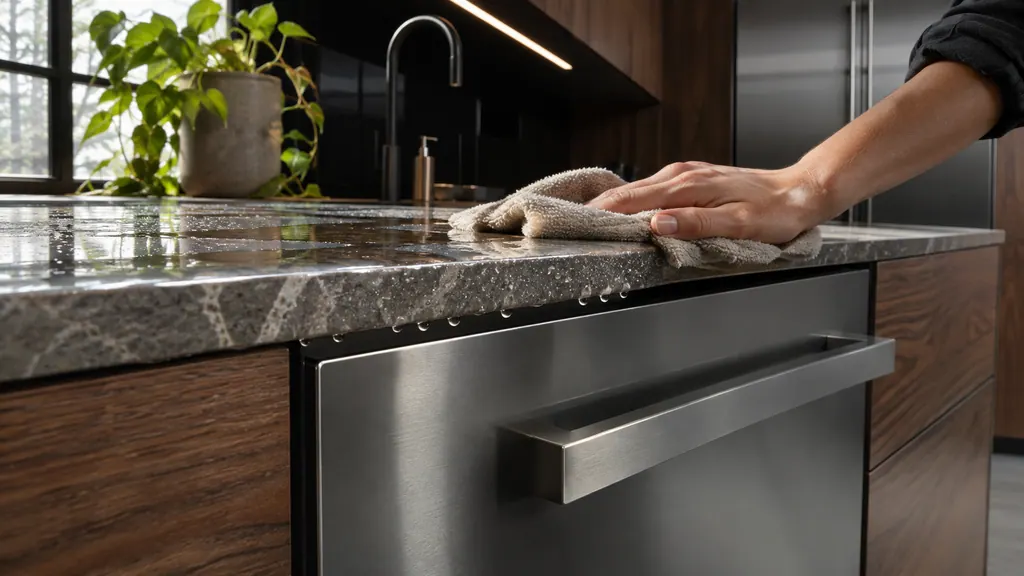
Moisture on the underside of the counter near a JennAir dishwasher is usually condensation: steam from the vent meeting a cooler surface. A leak looks different, with water at the door edge, on the floor or under the unit. Check where the water shows up, and when. [1][2]
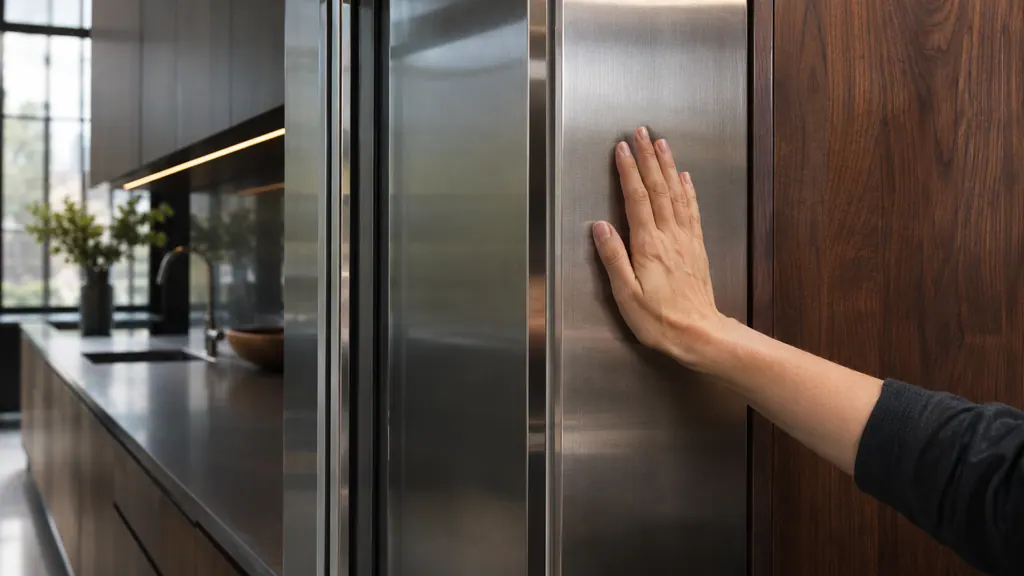
A warm cabinet on a JennAir refrigerator is usually normal: the unit moves heat from the food compartments into the room through condenser loops in the walls and front frame. Heavy use, a hot kitchen, a fresh install or warm groceries make it stronger. Check the condenser if it stays hot. [1]
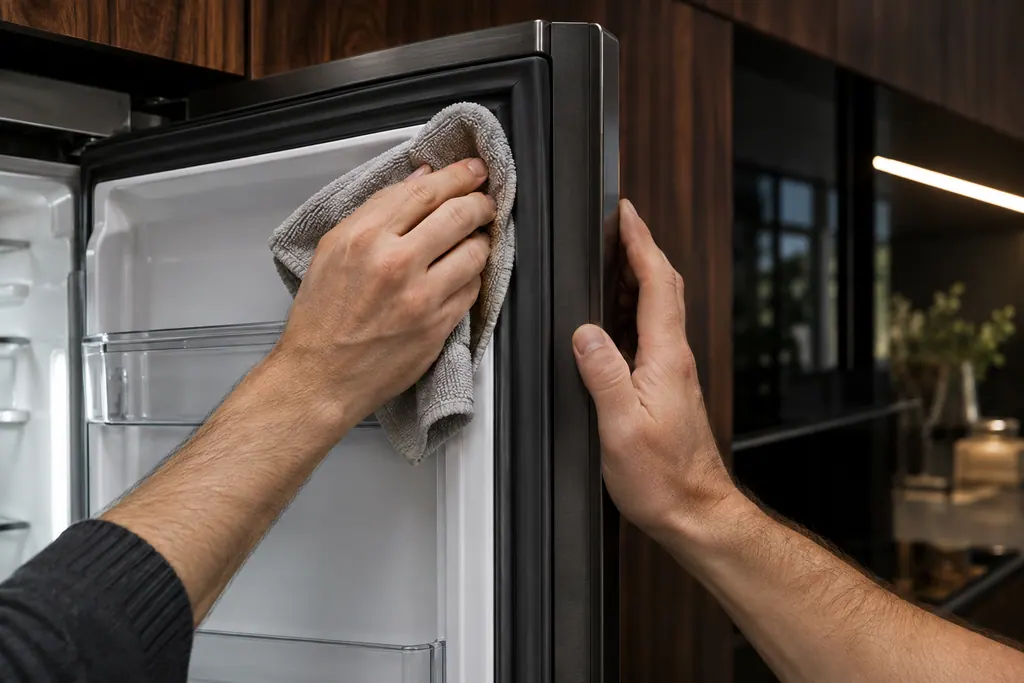
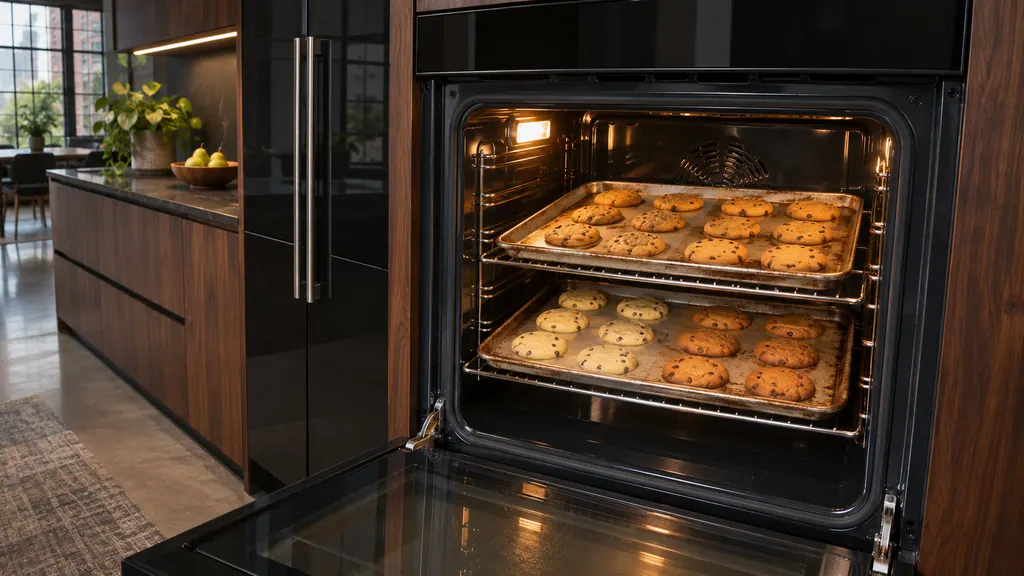
Load food after the signal, not before. Too little preheating pushes extra heat to the top of the food and over-browns it.
Read the full sequence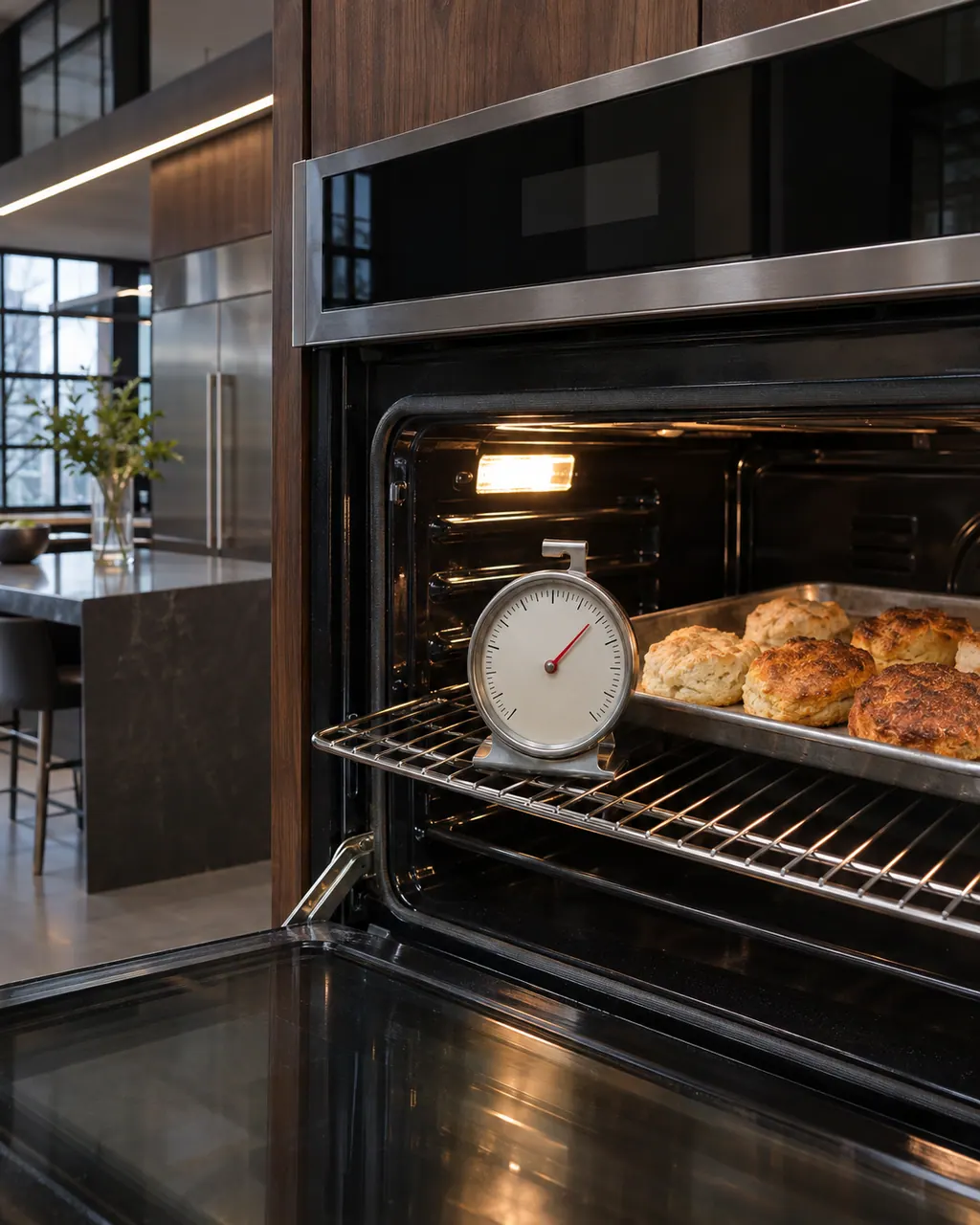
JennAir says not to judge oven temperature with a thermometer, because the elements cycle and most thermometers react too slowly. Check preheat time, racks, pan spacing and foil first, then run the biscuit test before any calibration.
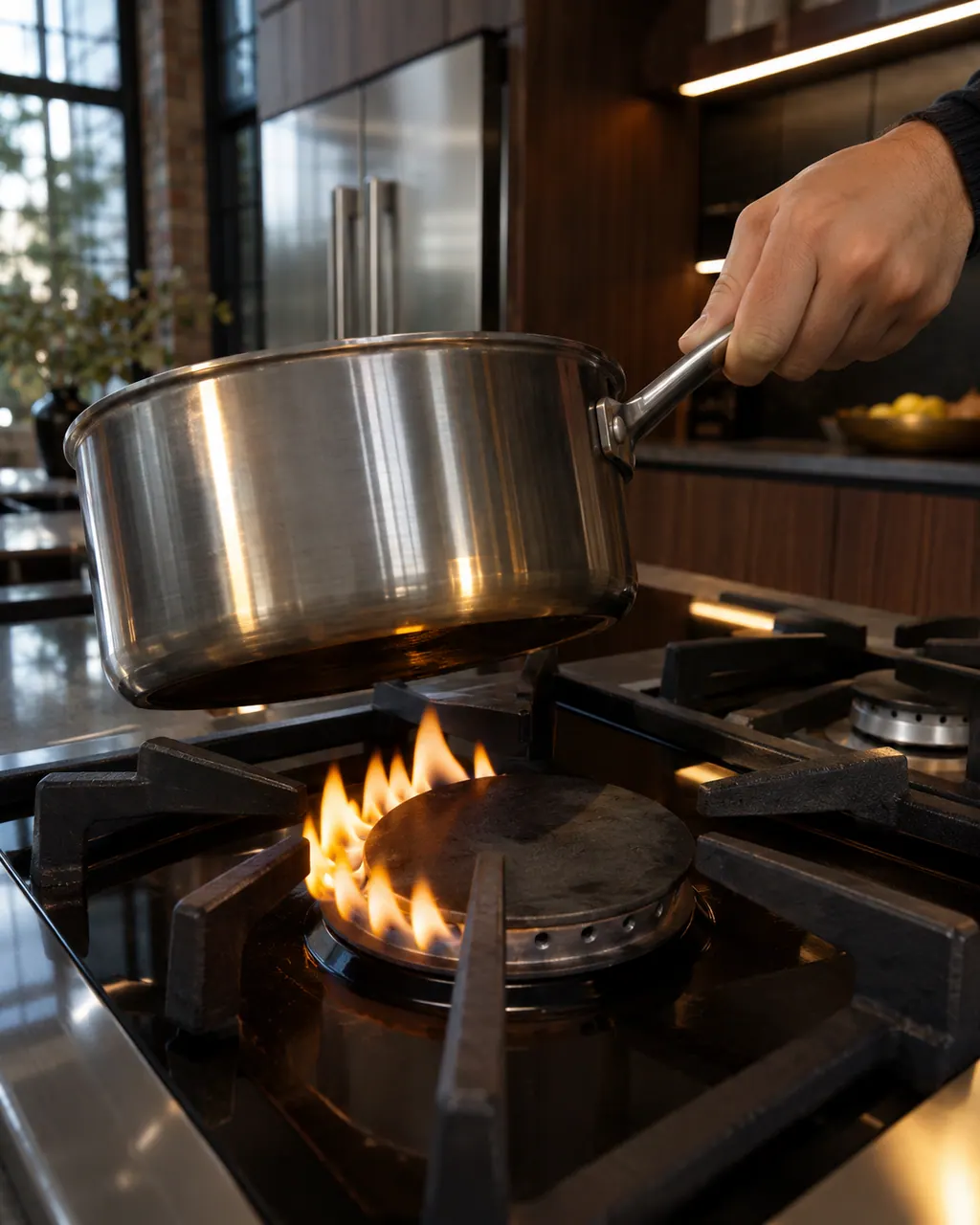
Find your cooktop type first. Glowing that cycles on and off is normal on electric coil and glass tops, and gas flame trouble starts with clean ports and a seated cap. LP conversion or a wrong gas type needs a technician.
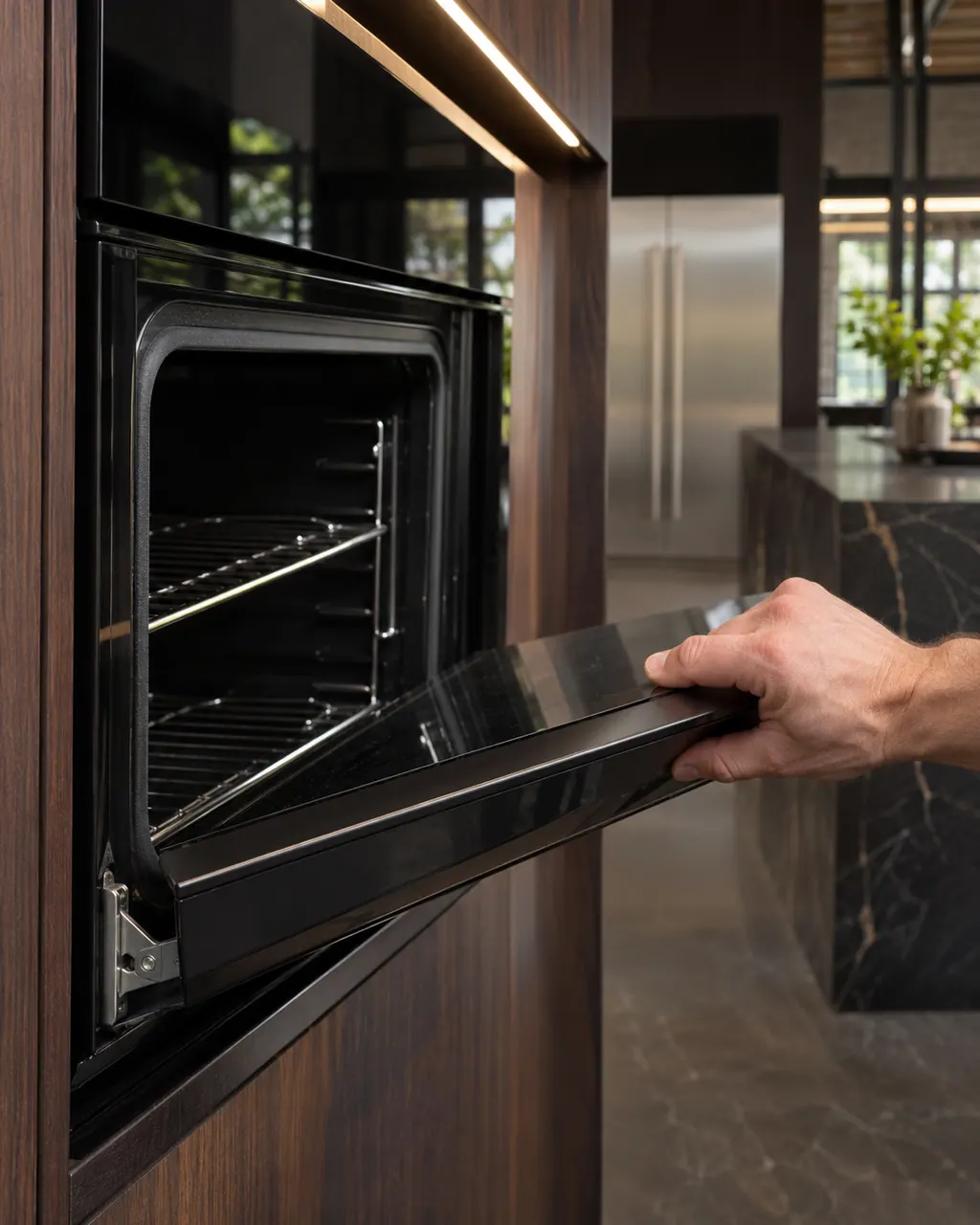
Most JennAir door complaints trace to something blocking the latch, a rack or pan that is not seated, or a door put back on wrong. Moisture on the glass and a rainbow tint are listed as normal and need no repair.
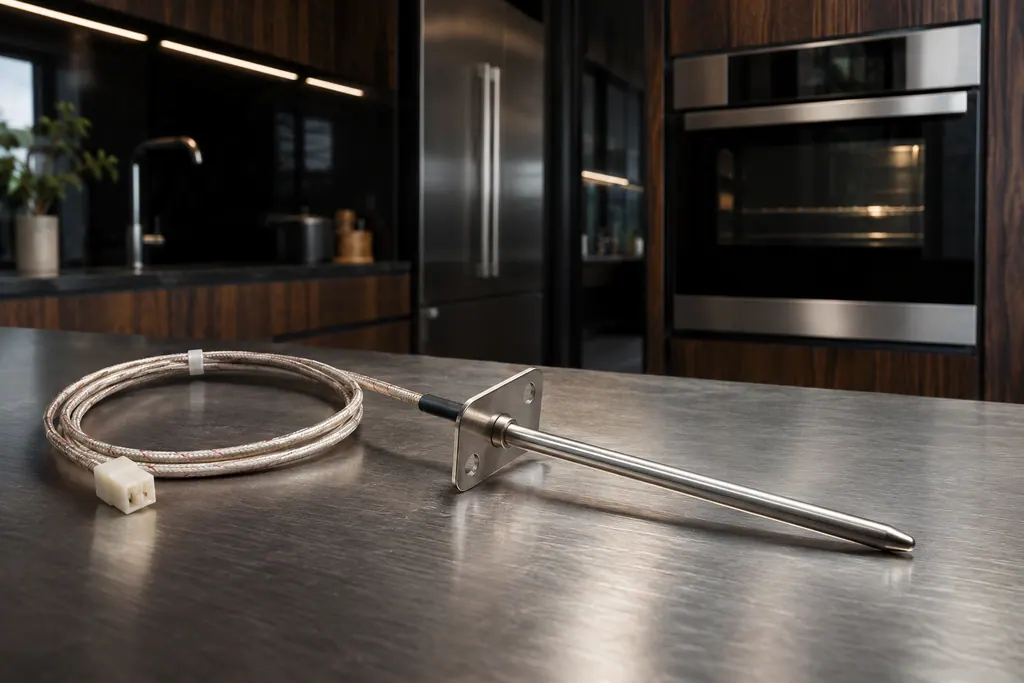
JennAir Product Help ties F1, F2 and several F3 codes to the oven temperature sensor, the control or the wiring between them. The sensor reports cavity heat to the control. The help pages pair it with the control, so one reset is the only owner step.
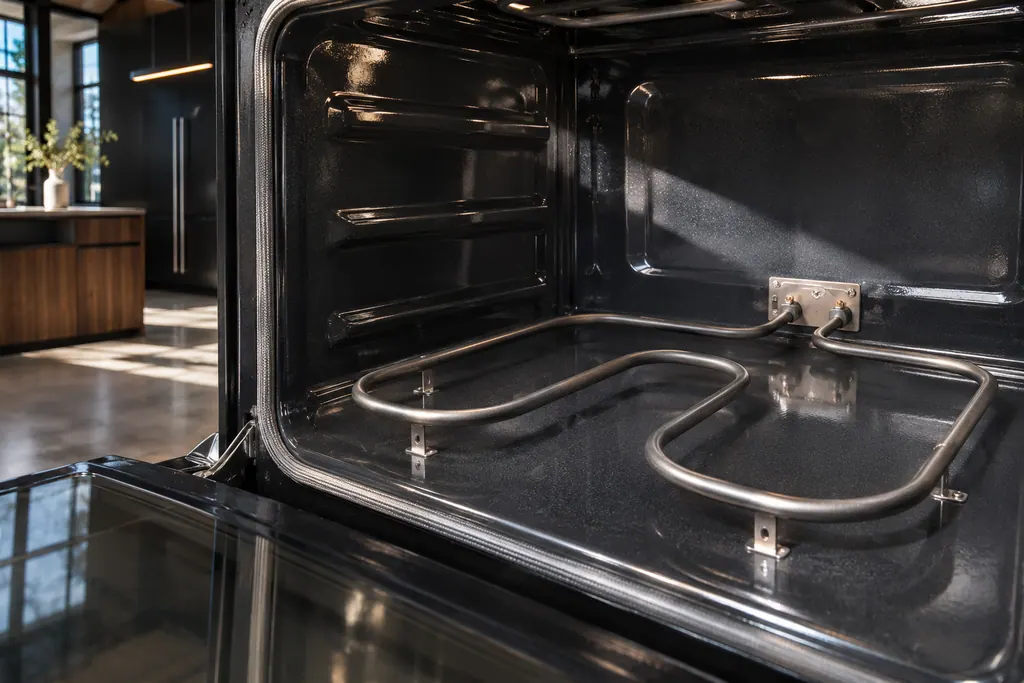
On JennAir ranges, FEE6 names the main cavity bake element and FEE7 the main cavity broil element, each with its wiring. The pages offer one owner step: a one-minute breaker reset. An element that stays cold afterwards needs a technician with the power off.
1c1c is the first row in JennAir's "Starts with 1c" group, and it is the one that names the touch panel (JennAir's user interface) or its wiring. The first step is a sixty-second power reset at the breaker panel; call for service if it returns.
1c2c says the touch controls or the wiring may need attention. Cycle the breaker once, a minute off; if the code returns, schedule a visit.
Seasoned technicians inspect the appliance before suggesting any work. OEM parts are available on order, matched to your model.
If JennAir's manufacturer warranty covers the repair, JennAir itself does the work. We back our own workmanship with a warranty.
The outlet or breaker, then the door, then the water or gas supply. Read your symptom's page next. If nothing helps, book and list your attempts.
It can be. Turn it off, let it cool and note any code. A temperature or control issue is not an owner repair, so book a visit.
Please do not. Close the water supply, unplug the unit if safe and dry the floor. Leave it idle until a technician has looked at it.
Make sure the cap and head sit correctly and are dry. If it keeps clicking or you smell gas, turn it off, ventilate and call the gas utility.
Code or symptom, part, service call
JennAir says not to judge oven temperature with a thermometer, because the elements cycle and most thermometers react too slowly. Check preheat time, racks, pan spacing and foil first, then run the biscuit test before any calibration.
Schedule a diagnostic for your model, carried out at the appliance.
Office details, plus the access notes to pass along.